
Arzel Zoning
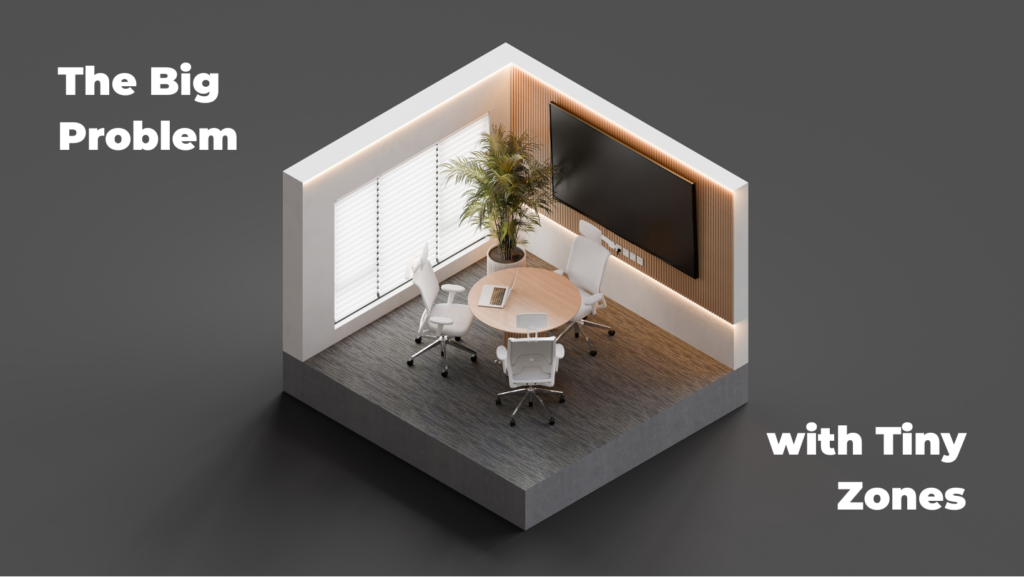
A common question our tech support team receives is, “How many zones can an Arzel panel handle?” In many cases, we have to ask, “How small of a zone do you want to create?” or “How much air do you want to stuff down that duct?” Then they ask us, “What’s the problem with tiny zones?” Well, we’re glad you asked.
We define tiny zones or micro-zones as any zone with a design airflow of less than 20% of the total system. If the HVAC equipment is staged in a way that we can slow the blower and reduce capacity, we go a little further. Tiny zones are problematic if we have a fixed amount of air that we have to try and push into a much smaller part of ductwork.
The effect of attempting to push ten pounds of air into one pound of ductwork can create several problems:
One solution to high static pressure caused by smaller zones is a bypass. A bypass reroutes some of the conditioned air back into the return, so it won’t overload the ductwork. Bypass will relieve the static pressure concern, but it’s not ideal to put too much conditioned air back into the return. You might want an alternative solution.
Some alternative relief strategies include allowing blow-by into a bigger zone, or leaving a run open somewhere. Another option is to add a Smart Zone, our slave zone. A Smart Zone can open and close dampers but cannot call the equipment. This solution lets you create a zone as small as you want without major airflow repercussions.
With our Pro Panel zone control, you can designate any zone as a non-calling zone. So you won’t need to add a Smart Zone for applications with a tiny zone. Just set the small zone as a non-calling zone, and it will only receive airflow when another zone is also open.
When designing a zoning system with a homeowner, proceed with caution if your customer wants to subdivide the system to less than 15% to 20% of the total. Take a look at the whole system and make sure you have a plan for dealing with that extra airflow.
When in doubt, you can always call the zoning manufacturer for design help. Here at Arzel, you can talk with our tech support specialists and they will help you identify potential problems and solutions that will work best for you and your customer.
Would you like to learn more about proper zone sizing and system adjustments? Sign up for a free webinar and learn how to better determine the number of zones a building needs. Or watch our video on how to design a zoning system. We’ll share how to avoid tiny zones and micro-zoning that could potentially damage the HVAC equipment.
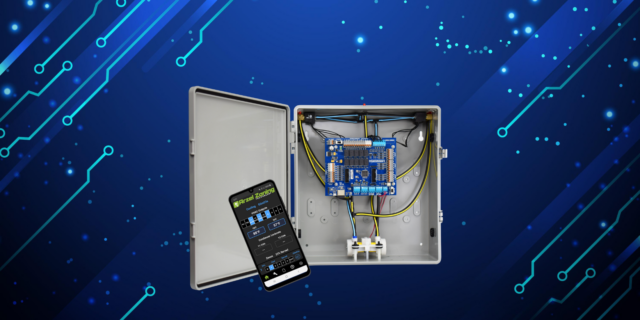
How Many Stages Can the Pro Panel Control? The Pro Panel can handle up to two stages of cooling and up to four stages of heating. It can control multi-stage furnaces, air conditioners, and heat pumps. For example, it can control a two-stage heat pump with two stages of electric heat strips. Or it can […]
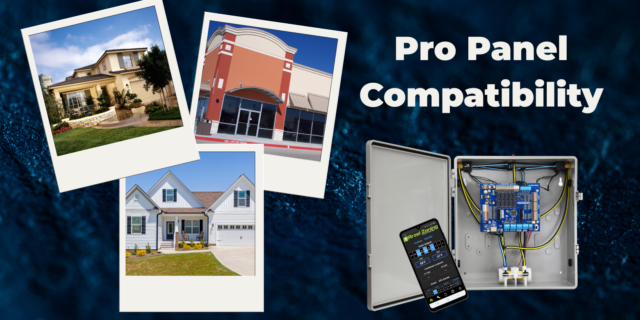
The Pro Panel is a universal zoning system. That means it can control every type of equipment: conventional furnace and air conditioner, split and package geothermal, heat pump, dual-fuel systems, and all-electric systems. The Pro Panel works with multi-stage equipment too, up to 4 stages of heat and 2 stages of cooling. We worked to […]
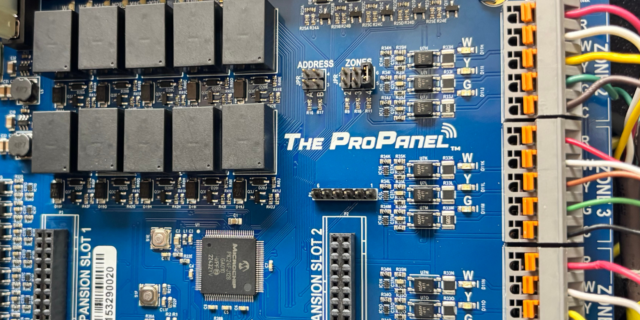
There are three main steps to installing a Pro Panel zone control system: Install the dampers and tubing. Install the panel and thermostats. Connect to the Arzel Pro app to configure the Pro Panel for your installation. After you complete these three steps, your customer will feel the difference immediately. This is one of our […]
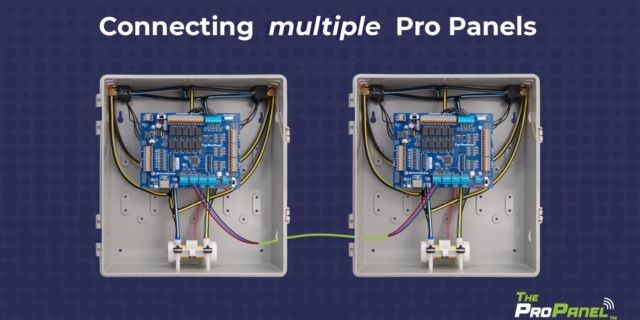
Our new Pro Panel control can zone up to 16 zones. That’s twice as many as our biggest AirBoss, and four times what our HeatPumPro can do. With 16 zones possible, the Pro Panel can be a zoning solution for more light commercial buildings and large houses. On top of the additional zones that are […]