
Arzel Zoning
HVAC Zoning and multi-stage, variable-speed equipment seem to be a match made in heaven by the airflow gods. But how great is it, really? We decided to investigate. This case study found that the multi-stage equipment combined with HVAC zoning reduced runtime by 20%.
The application was a two-story, 1,900-square-foot home that several family members continuously occupied throughout the day. It was an older home that initially had no ductwork running to the 2nd floor. Just one 12X12 grill in the floor allowed heat to migrate upstairs. The contractor did install a supply duct that feeds five 2nd floor ceiling registers from the attic. The 2nd floor did not have any return air ductwork. Before the zoning system, the homeowners reported experiencing comfort issues if the bedroom doors are closed tightly all night.
The homes’ existing equipment included:
The contractor installed:
To address the customer’s usage patterns and comfort needs, the contractor divided the house into the following zones:
We allowed the system to operate in the home for 30 days. Then we analyzed the blower operation using data loggers. We tracked heat mode and cooling mode cycling. Here’s what we found.
The HeatPumPro® has a capability called zone weighting. This feature allows a contractor to control fan speed based on the amount of ductwork that is being served. In this case, the air handler threshold was set to 70%. It initiated W2 furnace operation or Y2 blower operation only when Zone Three was being served with either Zone One or Zone Two. (Example: Z1 40% + Z2 30%=70%). If any of the zones called by themselves, the air handler stage threshold would not be met and the second stage call would not run.
Controlling staging according to capacity and demand requirements eliminated the need for bypass. If we had not done this, the equipment would have delivered 2 stages of heating to a zone that was not large enough to accomodate the airflow. That would result in excess static pressure and air noise issues. Using staging in this way also eliminates LAT issues and achieves maximum dehumidification by satisfying zones on a low stage or low blower speed.
Any time low-stage operation is serving a majority of the ducts, it will create this same scenario with oversized supply outlets. This results in ineffective BTU delivery. The Arzel HeatPumPro panel uses the settings “adjustable Zone Weights” and “Air handler Stage Threshold %” to properly manage CFM volume.
HVAC zoning reduced the system runtime by 20% during the day, while also helping to adjust the air supply to the upstairs bedroom.
Additionally, while the Arzel Zoning system was only operating on Y1 or W1, the dynamics of the zoning system showed we were delivering more BTU’s and CFM’s, with more Velocity and Throw at the register face to the calling zone. This maximized the effectiveness of HVAC zoning and reduced system run-time by putting all of the conditioned air in the right place. We like to say that zoning puts conditioned air “where you want it, when you need it!”
For more information on zoning multi-stage equipment, see our blog on optimizing multi-stage equipment with zoning.

Our new Pro Panel control can zone up to 16 zones. That’s twice as many as our biggest AirBoss, and four times what our HeatPumPro can do. With 16 zones possible, the Pro Panel can be a zoning solution for more light commercial buildings and large houses. On top of the additional zones that are […]
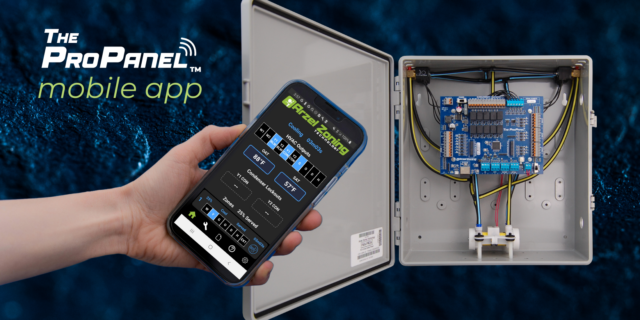
The Arzel Pro Panel app gives contractors more control, easier setup, and better troubleshooting capabilities. All of that comes in a no-nonsense package. The app is simple to connect and doesn’t require Wi-Fi or cell service. We’re proud that the Arzel Pro app makes the Pro Panel our most customizable panel. And it’s still easy […]
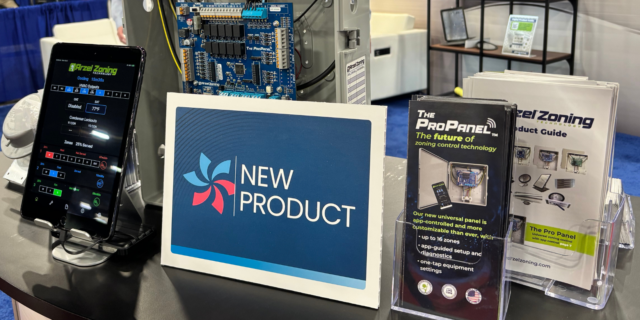
App-controlled HVAC zoning panel is feature-rich and highly customizable; pairs with trusted Arzel dampers Cleveland, OH (Feb. 10, 2026) – Arzel Zoning Technology, a trusted name in HVAC since 1983, is proud to announce a new zoning control: The Pro Panel™. This universal zoning control offers advanced control and a feature rich system, all with […]
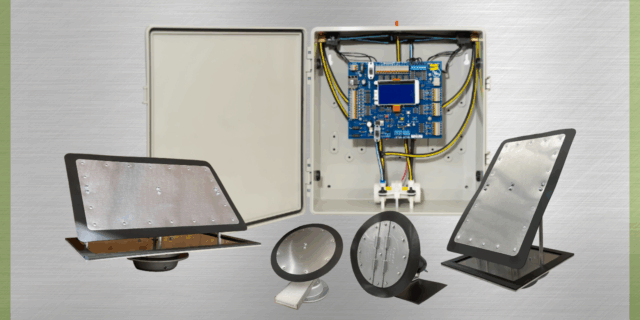
An Arzel zone system can solve several comfort issues for your customers. How do you know when to recommend Arzel, and when you need to look for another solution? Here’s what an Arzel Zoning system can do, and what it can’t. Find the best solution for your customer’s needs with this guide. It’s Too Hot […]