
Arzel Zoning

Panic and mayhem seem to be raining down on the HVAC streets of California as contractors scramble to interpret the new regulations and changes to bypass systems with the passing of the 2013 version Title 24.
Title 24 is the building and energy code standard in California, which ensures building construction, as well as system design and installation, reach at least a minimum level of energy efficiency and maintains environmental quality.
These standards result in lower energy costs, greater comfort, more dependable system service, and a better environment.
Yes, these changes do only apply to California currently, but the HVAC trends in the west coast state seem to set the standard for the industry. So what do we need to know about Title 24?
The CEC (California Energy Commission) has approved certain compliance software packages to help design and submit systems with bypass dampers. Depending on the system, you can choose the Performance Compliance Method or the Prescriptive Method.
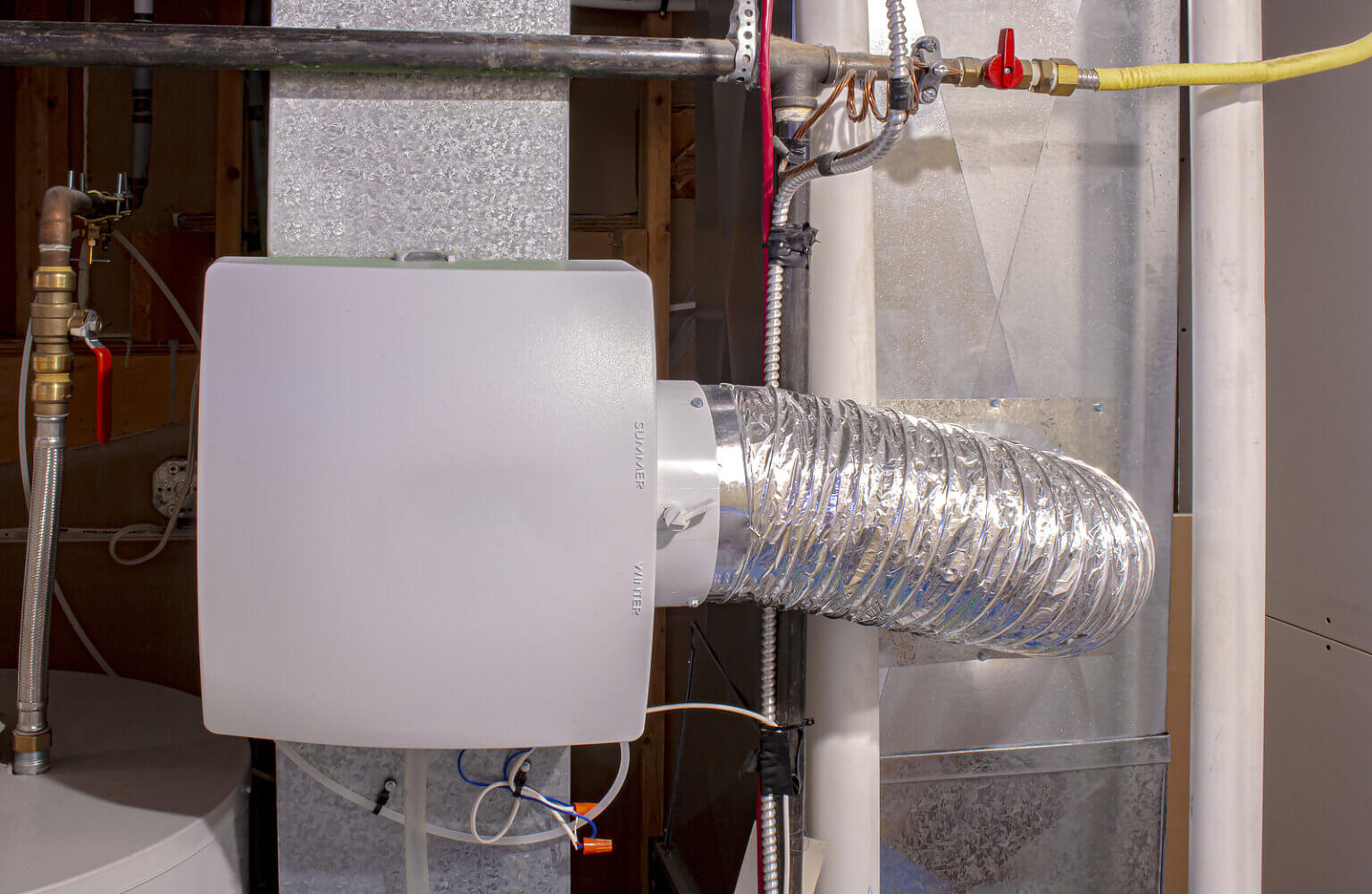
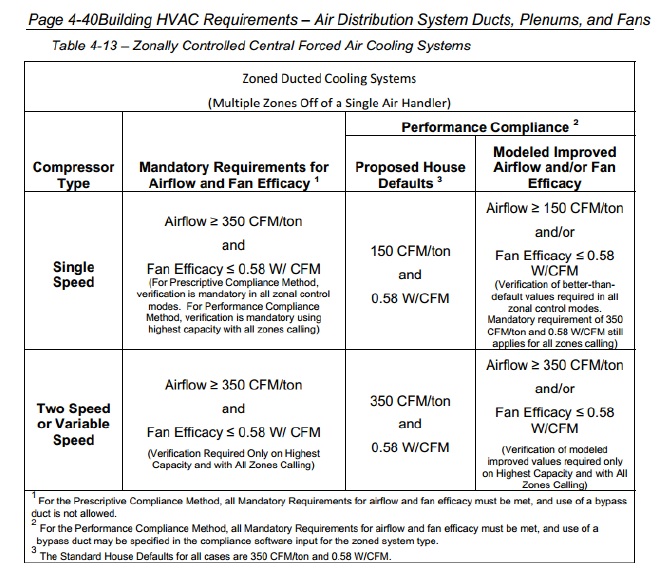
There may be different airflow requirements when zoning systems are used versus systems without zoning.

California’s Title 24 building codes include construction and design factors such as energy efficiency, lighting, ventilation and more. Any external or mechanical changes that rely on energy usage related to Title 24. These rules apply to new construction and existing buildings for residential, non-residential and businesses.
The standards are updated every three years, with the last set written in 2022 and enacted in January 2023. The next set is anticipated in 2025.
Types of buildings subject to these codes include:
Yes, energy budgets do vary by climate zone and building type. There are 16 climate zones designated in the state of California. The energy code is tailored to local conditions, providing some flexibility in the energy efficiency buildings can achieve.
Concerned about meeting energy codes or building requirements for your HVAC installation or upgrade? Arzel Zoning can help. Call us today for a solution to meeting building codes for new construction or existing buildings.
As far as bypass is concerned, there’s no reason to fret over these changes – they’ve been set in place to ensure better energy usage for everyone. For more references on the current version of Title 24, click on the links below:
2013 Building Energy Efficiency Standards
2013 Building Energy Efficiency Standards Approved Computer Compliance Programs

There are three main steps to installing a Pro Panel zone control system: Install the dampers and tubing. Install the panel and thermostats. Connect to the Arzel Pro app to configure the Pro Panel for your installation. After you complete these three steps, your customer will feel the difference immediately. This is one of our […]

Our new Pro Panel control can zone up to 16 zones. That’s twice as many as our biggest AirBoss, and four times what our HeatPumPro can do. With 16 zones possible, the Pro Panel can be a zoning solution for more light commercial buildings and large houses. On top of the additional zones that are […]
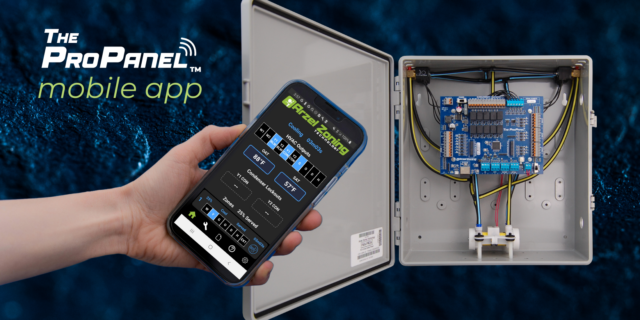
The Arzel Pro Panel app gives contractors more control, easier setup, and better troubleshooting capabilities. All of that comes in a no-nonsense package. The app is simple to connect and doesn’t require Wi-Fi or cell service. We’re proud that the Arzel Pro app makes the Pro Panel our most customizable panel. And it’s still easy […]
App-controlled HVAC zoning panel is feature-rich and highly customizable; pairs with trusted Arzel dampers Cleveland, OH (Feb. 10, 2026) – Arzel Zoning Technology, a trusted name in HVAC since 1983, is proud to announce a new zoning control: The Pro Panel™. This universal zoning control offers advanced control and a feature rich system, all with […]